

Copier leasing for healthcare practices can be a practical way to access reliable office equipment without purchasing devices outright. Before signing a healthcare copier lease, practices should review lease length, renewal terms, service coverage, print volume allowances, overage costs, upgrade options, and whether the equipment can support secure, efficient document workflows. The right lease should fit the way your practice handles patient forms, insurance documents, billing paperwork, referrals, and daily administrative work.
Blog
How Does a Document Management System Improve Security and Compliance?

A document management system improves security and compliance by helping organizations control who can access sensitive records, track document activity, store information securely, and retrieve records more consistently. It does not guarantee compliance by itself, but it can support compliance-aware workflows by reducing the risks that come with paper files, unmanaged shared folders, inconsistent access, and poor document tracking.
Is Wide-Format Printing Right for Your Business?
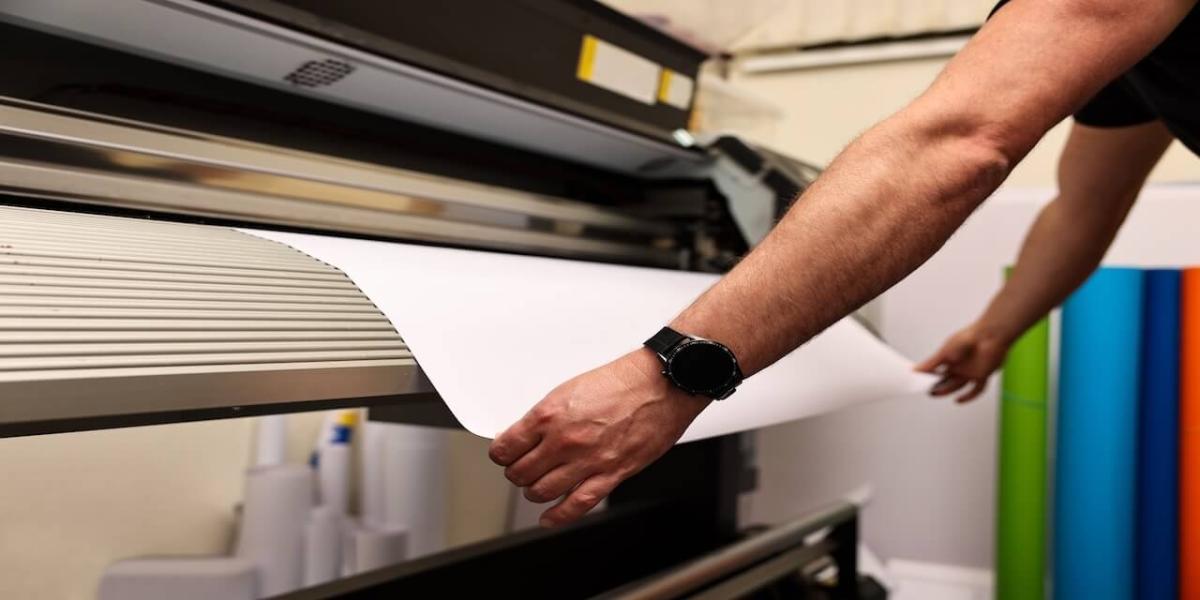
Wide-format printing can be a smart investment when regular office printers no longer support the size, detail, or presentation quality your work requires. Businesses often reach this point when they need architectural drawings, posters, banners, displays, maps, plans, or other materials that cannot fit on standard paper. When those jobs become routine, relying on outside print vendors can start to slow down daily work.
Choosing Copier Features That Fit Your Workflow
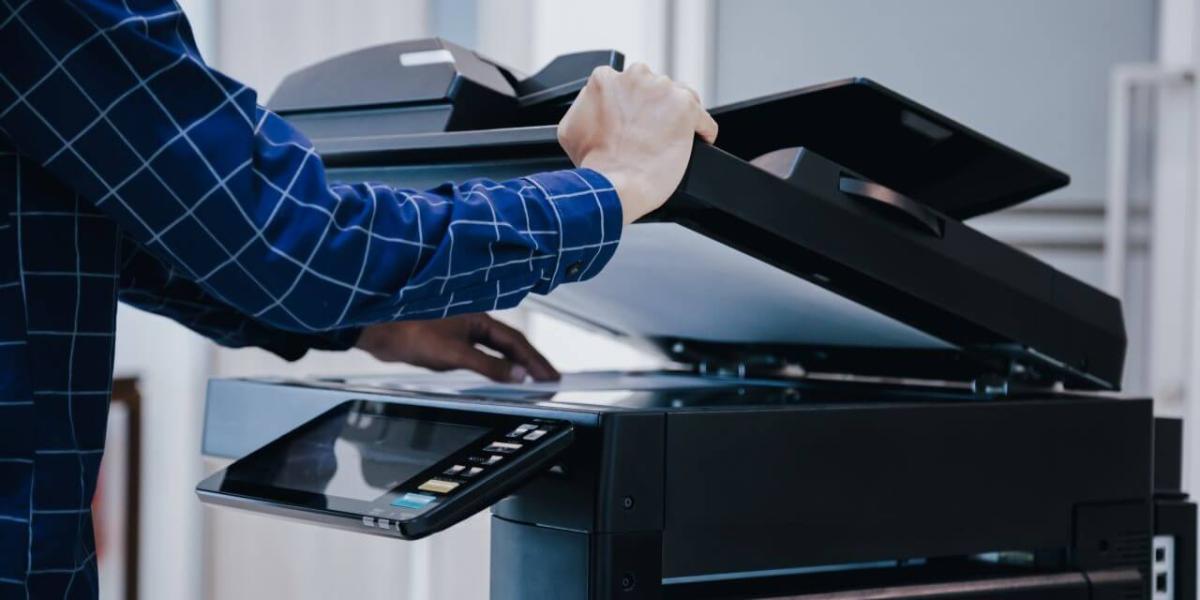
Choosing the right copier for business starts with understanding how your team works every day. A copier or multifunction printer should support real workflows, not just look impressive on a spec sheet. When the device fits the way documents move through your office, employees can print, scan, copy, route, and share information with fewer delays.
Rules-Based Printing: Stop Unnecessary Office Printing

Unnecessary printing is easy to overlook because it often happens in small, routine moments. Someone prints a document twice, sends a large color job that only needed black and white, or prints a file before realizing it still needs edits. By itself, one extra print job may not seem like a serious issue, but across departments and devices, those habits can quietly increase costs and waste.
Document Management for Faster Real Estate Closings

Real estate closings depend on accurate documents moving at the right time. Contracts, disclosures, amendments, inspection reports, financing documents, title information, and client communications all have to stay organized from the first accepted offer through the final signature. When those documents are difficult to find or slow to route, the closing process can become more stressful than it needs to be.
Copiers for Schools: How Many Does Your Building Need?

Choosing the right number of copiers for schools is not as simple as counting classrooms or estimating how many people walk through the building each day. A school copier plan has to support teachers, administrators, front office staff, counselors, and sometimes district teams with very different document needs. When the equipment plan is too small, the school day can quickly become harder than it needs to be.
How to Transition Your Office to Managed Print Without Disrupting Operations

Switching to managed print services is most successful when the transition is planned around your current devices, print usage, business goals, employee needs, and daily workflows. A smooth implementation should reduce print-related friction instead of creating new disruption. With the right managed print provider, your business can optimize its print environment, improve cost visibility, strengthen print controls, and keep employees productive throughout the change.
What to Do When Your Copier Lease Is About to Expire

When your copier lease is about to expire, it is a good time to review how well your current equipment supports your business. Before renewing, you should evaluate print volume, repair frequency, employee workflows, security needs, and whether newer multifunction copier lease options could improve productivity. A copier lease expiration gives your organization a practical opportunity to decide whether to renew, upgrade, or rethink your office copier leasing strategy.
How Florida Healthcare Providers Reduce HIPAA Risk With Document Storage

Secure document storage helps Florida healthcare providers reduce HIPAA-related risk by improving how patient records are stored, accessed, tracked, and protected. While no document storage system can guarantee HIPAA compliance on its own, the right healthcare document management approach can support stronger safeguards, reduce manual handling errors, and make critical records easier for authorized staff to find when they need them.